
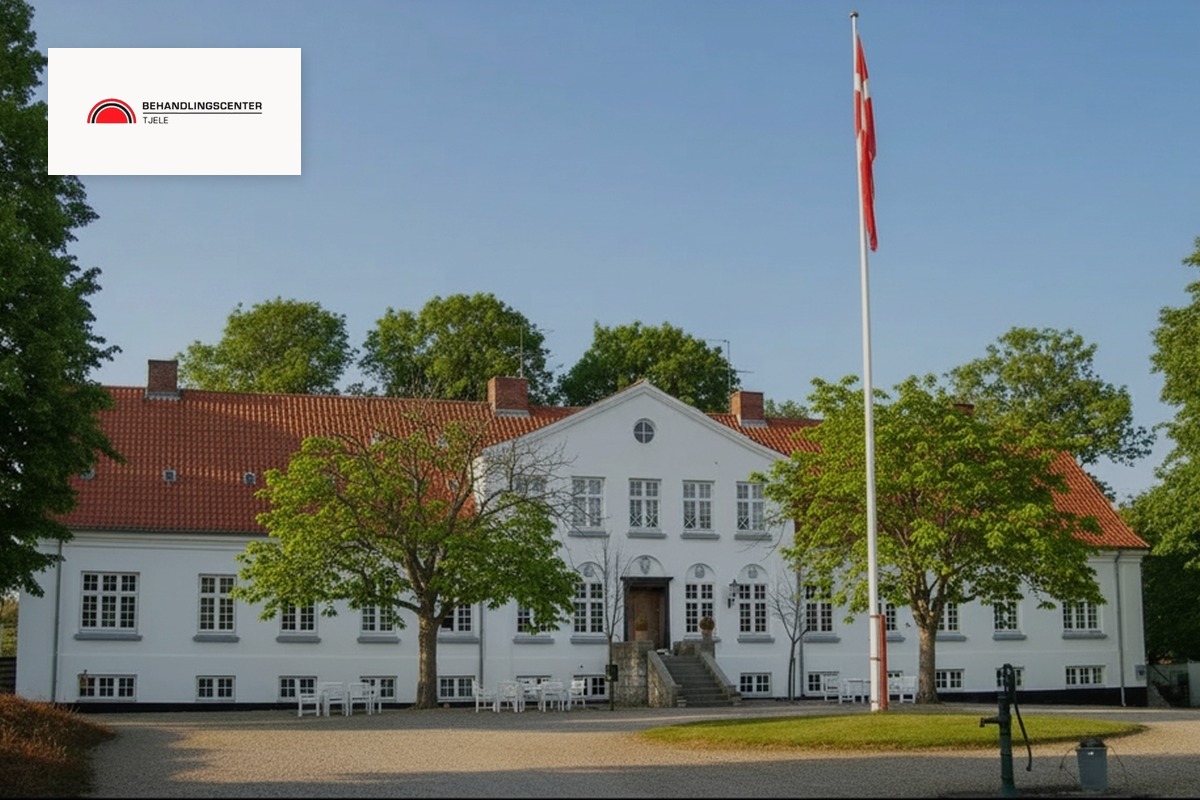
Behandlingscenter Tjele
AI chatbot creates 14% conversion rate for private treatment centre
The situation
The challenge
One of Denmark's oldest private treatment centres for addiction faced a situation many are familiar with: the demand was there, but the channels did not match user behaviour. Telephone enquiries fell by 20–30 per cent, while 45 per cent of potential clients actively preferred written contact. The need for support and advice is real and sensitive. It requires an approach that is present when the need arises — not just during business hours.
What we did
An AI chatbot trained on clinical knowledge and the centre's own counselling principles was implemented. The chatbot provides 24/7 support to both individuals and families, escalating to a counsellor when the nature of the conversation requires it. The solution ensures that no request is lost, no matter when it comes or who writes.
The result
In three months, the chatbot handled 354 conversations and generated 25 qualified calls directly to advisers. The conversion rate landed at 14 per cent and the average call duration exceeded six minutes — a clear sign of real interest and high lead quality. User feedback was positive throughout the period.
The results
Numbers that held up after the project closed.
For a private addiction treatment centre, that's 354 individuals and families reaching out at their most vulnerable — many outside business hours, when no one was available to answer.
Each call was a warm lead: someone who had already typed their concern, read a clinical response, and decided to take the next step. The chatbot pre-qualified them before the phone ever rang.
The industry benchmark for AI chatbot-to-call conversion is 2–5%. Tjele reached 14% — because the chatbot was trained on clinical knowledge and the centre's own counselling principles, not generic scripts.
Call duration above 6 minutes signals genuine intent. These weren't exploratory calls — they were people ready to begin treatment.
Is your team doing work like this?
Tell us the problem. We'll tell you if we can help.
We're direct. If we've solved something like this before, we'll say so. If we haven't, we'll say that too. Either way, the first conversation costs nothing.